_edited_edited.png)
Garage Floor Coatings vs Bare Concrete: Which Saves More Money Long-Term?
- Jun 15
- 9 min read
Most homeowners look at their bare garage slab and see "free" flooring. Between leaking oil from the family minivan, winter road salt dragging in, and inevitable cracking, that untouched surface might actually be the most expensive part of your home to ignore. Evaluating garage floor coatings versus bare concrete requires a hard look at what happens when a raw slab faces daily household abuse.
Consider the material itself: concrete acts exactly like a giant, hard sponge. It looks incredibly solid, but it constantly drinks in any liquids that sit on the surface. According to residential foundation experts, this natural porosity means that spilled oil doesn't just blemish the top—it sinks deep into the unseen pores. Worse, melted snow mixed with corrosive road salt seeps inside the slab, freezing and expanding during winter in a destructive process that silently pushes the concrete apart from the inside out.
Suddenly, that zero-dollar floor comes with three hidden, compounding expenses: countless hours spent trying to scrub away permanent chemical stains, recurring bills for patching compounds to fix expanding pits, and ultimately, the massive thousands-of-dollars price tag of resurfacing a crumbling slab. Think about the last time you dropped a heavy wrench or noticed fresh, chalky dust constantly tracking into your house. Every unprotected impact and unsealed surface accelerates this decay, turning what should be a permanent foundation into an ongoing liability.
Shifting from a reactive patching mindset to a preventative maintenance strategy completely changes this financial equation.
By calculating the upfront price of a durable protective barrier against fifteen years of continuous cleaning, crack repairs, and eventual slab replacement, the true life cycle cost of garage flooring becomes surprisingly clear. Investing in a solid protective shield today keeps thousands of dollars in your pocket over the next decade and a half.
Why Your 'Free' Concrete Floor is a Financial Sponge
Bare concrete appears solid, but under a microscope, it reveals extreme porosity. Because of this open structure, ground water constantly pushes upward through the slab—an invisible threat known as moisture vapor transmission in garage slabs. This relentless dampness easily ruins stored cardboard boxes and creates a persistent breeding ground for mildew.
Winter accelerates this structural breakdown drastically, making road salt the absolute worst enemy of an unprotected floor. When salty slush drips off your minivan, it sinks right into the unsealed concrete. Here is exactly how a single winter destroys a bare slab:
● Absorption: Corrosive salt water soaks deep into the surface.
● Expansion: Freezing temperatures turn that trapped water to ice, pushing outward.
● Shattering: The ice expands and blasts away the top layer, creating ugly pits and craters known as spalling.

Suddenly, you aren't just doing a simple spring cleaning; you are facing steep concrete spalling and crack repair costs. Patching these craters is labor-intensive and far more expensive than early prevention. Even before the floor chips apart completely, this deteriorating surface creates a messy daily nuisance.
The 'White Dust' Problem: How Bare Concrete Steals Your Time and Ruins Your Belongings
Sweeping your garage only to find everything coated in a fine white film days later is incredibly frustrating. This isn't dirt blowing inside; it is the floor itself breaking down. As hot tires turn and heavy shoes scrape across an untreated slab, the top layer slowly grinds away in a process called concrete dusting. Because the surface lacks a protective seal to lock its structure together, a bare floor will continuously generate this chalky residue.
This abrasive powder does far more than just make your workshop feel dirty. The lightweight dust floats onto stored holiday decorations, settles inside power tools, and tracks directly onto your living room carpets. Worse, when this microscopic particulate gets pulled into your home's air system, it rapidly clogs expensive HVAC filters, forcing your furnace to work harder and driving up monthly utility bills.
Homeowners exploring how to prevent concrete dusting quickly realize the massive time and energy savings involved. When evaluating the hours spent cleaning bare concrete vs epoxy floors, a coated surface reclaims dozens of lost weekends annually while sparing your furnace filters. Unfortunately, dust is just the start of flooring headaches.
When the Minivan Leaks: Why Unprotected Concrete is a Permanent Stain Risk
When motor oil drips under the minivan, it immediately sinks into the slab's microscopic pores. No matter how much degreaser you apply, you are only scrubbing the top layer while the dark puddle remains permanently trapped inside.
Creating a barrier changes this frustrating dynamic through a principle called surface tension. An epoxy floor coating completely seals off those thirsty pores, forcing heavy liquids to tightly bead up on top rather than soaking in. Because this hardened shell provides absolute resistance to oil and chemical spills, you trade an hour of exhausting scrubbing for effortless "hose-off cleanability." You can literally wipe away a fresh oil leak with a single paper towel.
A pristine garage floor preserves its aesthetic appeal and translates directly into long-term resale value. Buyers see a clean, finished space as a premium upgrade, whereas a stained workshop looks like an inherited headache. However, not all protective layers defend against the exact same hazards.

The Sunscreen vs. Armor Debate: Choosing Between Epoxy and Polyaspartic Coatings
Standard epoxy acts like a heavy-duty suit of armor for your garage floor. It excels at deflecting dropped tools and resisting hot tires that would normally peel lesser finishes. However, traditional epoxy has a hidden weakness: sunlight. If your garage door stays open to the afternoon sun, ultraviolet rays will slowly cook that clear shell, turning a pristine floor into a chalky yellow mess over a few years.
Solving this discoloration requires a modern chemical upgrade called polyaspartic—a specialized topcoat that acts as both impact armor and SPF-100 sunscreen. Because it is highly UV-stable, it will not fade, yellow, or break down in direct light. This built-in resistance makes it the ultimate shield for high-traffic zones, ensuring your floor looks exactly the same in year fifteen as it did on day one.
Key differences dictate the lifespan of your investment:
● Cure Time: Traditional epoxy takes days to harden fully, locking you out of your garage for almost a week. Polyaspartic cures in hours, often allowing a quick one-day installation.
● UV Stability: Epoxy yellows under prolonged sunlight, whereas polyaspartic remains crystal clear indefinitely.
● Financial Value: While the upfront polyaspartic vs epoxy floor coating cost is higher, the true epoxy floor coating ROI for homeowners drops significantly if sun damage forces you to replace a cheaper epoxy floor prematurely.
Committing to either professional option guarantees a highly durable surface. Sadly, some homeowners try to sidestep this investment by grabbing a bucket of DIY floor tint.
The 'Patch-and-Paint' Trap: Why Cheap Garage Floor Paint Costs More Over 5 Years
Walking down the hardware store aisle, a $100 bucket of garage floor paint looks like a weekend bargain. But standard paint simply dries on top of the concrete like a giant sticker. When you park a car after driving on hot asphalt, the heated rubber tires grip that surface. As the tires cool, they contract and literally rip the paint right off the floor—a frustrating, messy failure known as "hot tire pickup."
Fixing these peeling bald spots isn't just about rolling on another coat. True longevity requires proper substrate preparation—which means professionally grinding the concrete open so a heavy-duty coating can soak in and grip the slab like tree roots. Without this crucial step, you are committing to a brutal cycle of chemical stripping, scraping, and repainting every couple of years.
When you run the math over a decade, the "cheap" route drains both your wallet and your free time:
● DIY Paint (3 rounds over 10 years): Costs roughly $600 in materials, plus six full weekends of grueling manual labor.
● Professional Coating (1 round): The higher upfront cost of professional garage floor installation pays for itself by eliminating future stripping and patching entirely.
Beyond saving weekends, this permanent shield transforms the room's utility and appeal.
Resale Value ROI: Do Buyers Actually Pay More for a Finished Garage?
Stepping into a home with a pristine, coated garage floor instantly changes a buyer's mindset. While a bare, stained slab feels like a looming weekend chore, a professionally finished surface screams "move-in readiness." When homeowners ask if garage floor coating is worth the money, the answer lies in this powerful perception value. Buyers subconsciously view a spotless garage as undeniable proof that the entire property has been meticulously maintained.
That visual proof appeals strongly to premium buyers, particularly families and hobbyists seeking extra usable square footage. Instead of seeing a dark, dusty place to park, these demographics see a potential home gym, a clean woodworking space, or a safe drop-zone for sporting gear. Consequently, the resale value impact of finished garage floors often exceeds the initial installation price because it elevates the property from standard to premium in a competitive real estate market.
Unfortunately, selling that premium lifestyle becomes impossible if the underlying concrete is actively falling apart. An unprotected floor subjected to years of freezing moisture and road salt won't just look bad during an open house; it actively repels offers.
The DIY Dilemma: Why 'Saving' $1,000 Upfront Often Leads to $3,000 in Repairs
Most homeowners look at a $250 epoxy kit and see an easy weekend project, but skipping vital prep work guarantees an expensive disaster. Professionals always start with moisture testing—taping plastic squares down to check if the slab is secretly exhaling water vapor. Ignoring this step traps dampness under your new protective shell, causing store-bought kits to peel up like sunburnt skin within 24 months.
Surface preparation reveals even more hidden expenses. Standard kits rely on acid etching (using harsh chemicals to dissolve the top cement layer), which rarely creates sufficient grip. Genuine adhesion requires mechanical profiling—renting heavy diamond grinders to physically shave the concrete open so it can absorb the resin properly. Consider the top 5 DIY coating mistakes and the cost to hire a pro to fix them:
● Skipping moisture tests: $1,500 (total removal)
● Relying on acid etching: $800 (mechanical grinding)
● Coating over oil stains: $500 (deep chemical extraction)
● Ignoring temperature limits: $1,200 (scraping uncured epoxy)
● Stretching kits too thin: $1,000 (professional re-coating)
Evaluating the true cost of professional garage floor installation against these heavy DIY repair risks often changes a homeowner's mind. Fortunately, if applying this thick armor feels like overkill for your needs, there is a cheaper, simpler way to protect your slab from winter salt.
Penetrating Sealers: The 'Middle Ground' for the Budget-Conscious Homeowner
If dropping thousands on a thick resin shell feels overwhelming, you still shouldn't leave the floor defenseless against winter salt. The smart compromise is a silane/siloxane sealer. When evaluating penetrating concrete sealers vs topical coatings, think of topical options like a heavy raincoat sitting on the surface, while penetrating sealers act like a water-repellent lotion. Since concrete is highly porous, these liquid sealers soak deep inside the slab to create an invisible chemical barrier.
This hidden shield won't deliver a glossy showroom finish or hide existing ugly stains, but it dramatically reduces the frustrating maintenance requirements for bare concrete floors. Corrosive road salt simply beads up on top instead of sinking in to freeze, expand, and inevitably crack the concrete. High-quality penetrating products offer a reliable five-year lifespan, making them ideal for homeowners who just park their cars inside and want basic structural protection without massive initial costs.
Looking at the long-term math, applying a $150 bucket of sealer every three years is incredibly budget-friendly, though it demands repeated weekend labor. Conversely, a premium topical system requires one larger payment but delivers fifteen years of zero-maintenance peace of mind. Choosing the right financial path depends on your garage's current condition.
Strategic Decisions: Is Your Garage a Candidate for Coating?
Applying premium garage floor coatings without checking your concrete's health is like painting a crumbling wall. Before committing to a costly installation, you need to know if your slab can actually hold onto it. Invisible dampness or old, forgotten sealers will cause a brand-new system to peel off your floor within months.
To spot hidden dampness—professionally called moisture vapor transmission in garage slabs—perform the simple "Plastic Sheet Test." Tape a two-foot square of clear plastic tightly to your bare floor, sealing all four edges. Check it after 24 hours. If condensation forms underneath or the concrete looks dark, your slab acts like a sponge pulling water from the dirt below. This requires a specialized moisture barrier before applying any permanent finish.
Run through this quick Slab Health Audit to determine your Go/No-Go investment status:
● Does spilled water bead up? (This indicates an old sealer that requires professional grinding).
● Are there cracks wider than a quarter?
● Does the surface easily crumble into dust?
● Did the plastic sheet test reveal trapped moisture?
● Are there deep-set, permanent oil stains?
Knowing exactly what you are dealing with prepares you to make a lasting investment.
The Final Verdict: Your 15-Year Action Plan for Garage Longevity
Leaving your slab untreated might feel like a victory for your wallet today, but that "free" surface is actually an invisible cost waiting to cash in. Bare concrete quietly drinks winter salt and oil until the pothole effect forces an expensive replacement. When calculating the life cycle cost of garage flooring, preventing structural damage makes proactive protection the only mathematically sound choice.
So, is garage floor coating worth the money? Absolutely, provided you match the solution to your current goals and budget. Choose your path forward:
● The Budget Protector: Apply a high-quality penetrating sealer. It lacks a showroom finish but blocks moisture and salt for a few hundred dollars.
● The Value Optimizer: Step up to a DIY epoxy kit. With meticulous cleaning and prep, you gain serious stain protection and a wipe-clean surface.
● The Forever Home: Invest in professional polyaspartic armor for decades of hot-tire resistance and zero maintenance weekends.
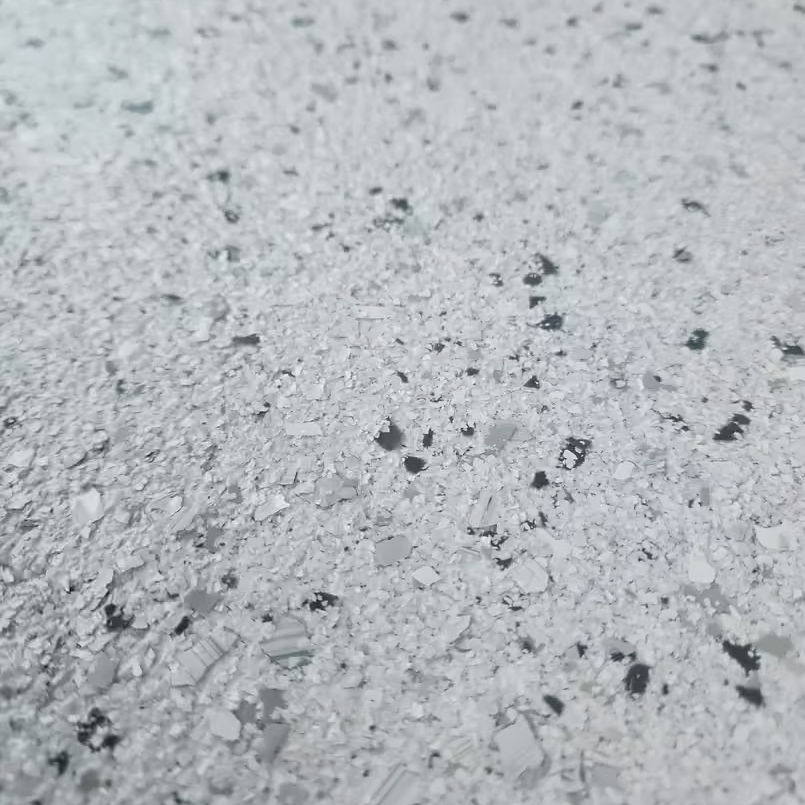
Applying one of these strategies stops deterioration before it worsens. By sealing the surface now, you ensure garage floor coatings are actively deflecting damage rather than just covering up an already crumbling foundation.
Picture your garage next winter: instead of stressing over slush and road chemicals eating away at your concrete, a quick pass with a squeegee leaves the room spotless. You have permanently transformed a dusty, vulnerable slab into a clean, durable extension of your home—saving thousands of dollars in future repairs along the way. Contact Raz-Barry Construction for your free estimate!


Comments